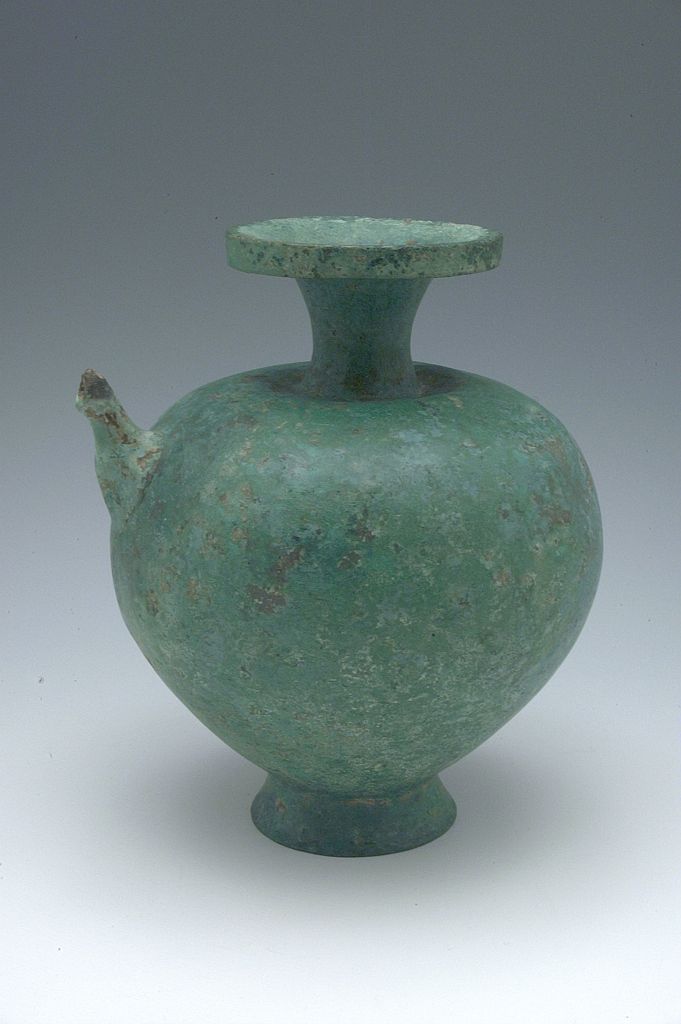
Object Name: Cham Ritual Vessel
Object Type: Ceremonial vessel / offering container
Materials: Bronze, silver, terracotta, glazed stoneware
Dimensions: Height 15–40 cm; diameter 10–30 cm (varies)
Culture Origin: Champa Civilization (Hindu-Buddhist syncretic tradition)
Inscriptions: Some bronze vessels bear donor inscriptions in Cham and Sanskrit
Exhibition: Permanent collection, Da Nang Museum of Cham Sculpture (Vietnam)
Condition: Good; many restored from excavations; some fragmentary
Conservation History: Excavated by EFEO (École française d’Extrême-Orient) archaeologists in the early 1900s; cleaned, restored, stabilized in museum conservation labs
Preservation Status: Stable; fragile ceramics require climate control
Preservation History: Excavated, restored, preserved in museum collections
Retention Policy: Permanent cultural heritage objects
Archival Location: Da Nang Museum of Cham Sculpture
Backup Status: Digitized photographs and catalog records
Parent Collection: Cham Ritual & Religious Objects Collection
Sub Collections: Cham Metalwork, Cham Ceramics
Related Items: Cham silver bowls, Cham bronze censers, Cham linga-yoni ritual objects
Accessibility Features: Displayed with bilingual labels (Vietnamese, English)
Accessibility Compliance: Online exhibits partially WCAG 2.0 compliant
Copyright Status: In Copyright (Vietnam cultural heritage)
Copyright Holder: Government of Vietnam, Da Nang Museum of Cham Sculpture
License Terms: Research/educational use only; reproduction requires permission
Jurisdiction: Vietnam
Cultural Significance: Symbolic of Cham ritual practice, offerings to gods, and ancestor veneration.
Cultural Context: Used in Cham towers (tháp), particularly in rituals associated with the Hindu cult of Shiva and local deities; later adapted for Buddhist practices.
Access Statistics: Less studied than Cham sculptures, but important for ritual context research
Citation Information: Da Nang Museum of Cham Sculpture. “Cham Ritual Vessels.” Vietnam.
User Feedback: Scholars value them for insight into daily and sacred life of Cham communities
Educational Use: Teaching Southeast Asian archaeology, Cham art, religious studies.
Curriculum Alignment: Archaeology, Southeast Asian History, Comparative Religion
Learning Objectives: 1.Identify Cham ritual vessel forms and materials. 2.Understand their function in Cham religious and cultural ceremonies.